_edited_edited.png)
Orgeat Syrup: The Almond Star Your Drinks Have Been Missing

If simple syrup is the intern of your home bar, orgeat is the overqualified senior manager quietly doing the real work. This creamy, almondy syrup adds texture, florals, and instant “oh wow, you know things” energy to both cocktails and non‑alcoholic drinks.
In this guide, you’ll learn what orgeat actually is, where it came from, how to make it at home, and how to use it in zero‑proof drinks so your mocktails stop tasting like sad juice with ice.
What Is Orgeat Syrup?
Orgeat is a sweet, milky syrup made from almonds, sugar, and a touch of floral water—usually orange blossom or rose water. It’s cloudy, rich, and nutty, and shows up everywhere from classic tiki cocktails to delicate non‑alcoholic spritzes
Today, most modern orgeat skips barley and uses only sweet almonds, which makes it both safer and more dessert‑like while still bringing that lush, nutty backbone to your drinks

A Very Extra Little History Lesson
Like most things in drinks, orgeat has drama and a passport.
The name comes from Latin hordeaceus (“made with barley”), which turned into French orge (barley) and orgeat, originally a barley‑based drink
Early versions were literally sweet barley water, used as a cooling, nourishing drink and even as a prescribed liquid in ancient and medieval medicine
Over time, almonds muscled their way into the recipe, eventually kicking barley out completely so orgeat became the creamy almond syrup we know now
By the 18th–19th centuries, almond orgeat was a fashionable party drink and cordial in Europe, sometimes served simply with water or as a punch. In the cocktail world, it shows up in the 1800s in drinks like the Japanese Cocktail and later becomes iconic in tiki history thanks to Trader Vic’s Mai Tai—where orgeat is basically the soul of the drink.
Why Orgeat Belongs in Your Home Bar (Even If You Don’t Drink)
Orgeat isn’t just “almond syrup but extra.” It’s a multitasker:
Texture: The natural oils from almonds create a subtle, creamy body, making drinks feel fuller and more expensive than they are.
Flavor: Nutty, gently sweet, and softly floral thanks to orange blossom or rose water, it layers beautifully with citrus, spice, and tropical flavors.
Versatility: Works in rum drinks, brandy classics, and zero‑proof cocktails built on tea, soda, or non‑alcoholic spirits.
If you’re into tiki, cozy autumn flavors, or grown‑up mocktails, orgeat is the upgrade that makes people ask, “Wait, what is in this?”
Orgeat Syrup: Core Ingredients
A classic homemade orgeat leans on a short, flexible ingredient list:
Almonds or almond milk: Traditionally blanched almonds; many modern recipes shortcut with high‑quality almond milk.
Sugar: White sugar for a clean profile, or a mix of white and demerara for a deeper, caramel vibe.
Water: For extracting flavor and creating the base syrup.
Orange blossom and/or rose water: Just a little for that floral, “fancy patisserie” note.
(Optional) Alcohol splash: A tiny bit of neutral spirit or brandy can help with shelf life in some recipes.
The magic is in creating a stable emulsion between almond oils and water so you get that signature cloudy, silky look.
Tools you will need for this recipe:


Use this as your go‑to structure; you can tweak quantities and sweetness to taste. This follows the general method traditional recipes use: soak, blend, strain, sweeten, perfume.
Prep the almond base
If using whole almonds, measure carefully. I am using 150gm of almonds. Spread it on a oven tray and toast at high heat for 4 minutes. Then cool it down for 5 minutes.
If using almond milk, choose an unsweetened version with a high almond content.
Extract the flavor
Blend the toasted almonds coarsely.
Combine almonds (or almond milk) with water and let them soak. I usually let this soak for 12-14 hours.
Strain the almond “milk”
Strain through a nut‑milk bag, fine mesh sieve, or cheesecloth, squeezing out as much liquid as possible.
Turn it into syrup
Measure the almond liquid and stir in sugar (often close to a 1:1 ratio by weight) over low heat until dissolved, without boiling.
Finish with florals
Once off the heat and slightly cooled, add a small amount of orange blossom or rose water. Start tiny; you can always add more.
Bottle and store
Funnel into a clean bottle and refrigerate. Many bartenders recommend using homemade orgeat within about 1–2 weeks for best flavor.
From here, you can play: swap in different nuts (pistachio, hazelnut) or add spices like cinnamon or cardamom for your own house version.
Using Orgeat in Non‑Alcoholic Drinks
This is where it gets fun—orgeat is a star in zero‑proof drinks because it brings complexity without needing alcohol.
Try these styles:
Citrus highball: Orgeat + fresh lime or lemon + soda water over ice = a grown‑up lemonade with depth.
Tropical spritz: Orgeat + pineapple juice + a dash of bitters (non‑alcoholic if needed) + soda for a tiki‑ish mocktail.
Tea‑based cooler: Strong brewed black or jasmine tea + orgeat + lemon, shaken or stirred and topped with sparkling water.
Zero‑proof “Mai Tai” riff: Non‑alcoholic rum alternative + lime + orgeat + a touch of orange juice or NA orange liqueur style syrup.
Because orgeat adds both sweetness and texture, you often don’t need additional syrups—just balance it with enough acid (citrus) and dilution (ice, soda) so it doesn’t feel heavy.
Classic Cocktails That Made Orgeat Famous
Even if your focus is non‑alcoholic, it helps to know the classics that gave orgeat its reputation:
The Japanese Cocktail (1860s): Cognac, orgeat, and bitters—one of the first recorded cocktails using orgeat.
The Mai Tai (1940s): Rum, lime, orange liqueur, and orgeat; tiki royalty and the reason many people meet orgeat for the first time.
Tiki family cocktails: Fog Cutter, Scorpion, and other tropical drinks that rely on orgeat for that lush, nutty backbone.
These recipes give you templates for zero‑proof versions: swap spirits for NA alternatives or tea, keep the lime + orgeat structure, and adjust sweetness.
Tips for Making Your Orgeat Look and Taste Professional
Don’t overdo the florals: Orange blossom and rose water are intense; too much and your drink tastes like your aunt’s perfume.
Shake before using: The almond oils separate naturally, so give your bottle a good shake every time.
Label your batch: Date the bottle. Flavor and texture are best in the first week or two.
Start small in recipes: A little goes a long way; it’s easier to add than to fix an over‑sweet, over‑nutty drink.
As you get comfortable, you can create your own “house orgeat” that becomes part of your personal mixology identity.
Where Orgeat Fits Into Your Mixology Journey
Orgeat sits right at the intersection of cozy baking energy and cocktail‑bar drama. It’s technical enough to feel impressive, but approachable enough to make in a home kitchen on a weeknight.
Whether you’re building a serious home bar or just wanting one signature mocktail that doesn’t scream “kids’ menu,” mastering orgeat is a small, delicious flex that makes everything you pour feel more intentional and more you.

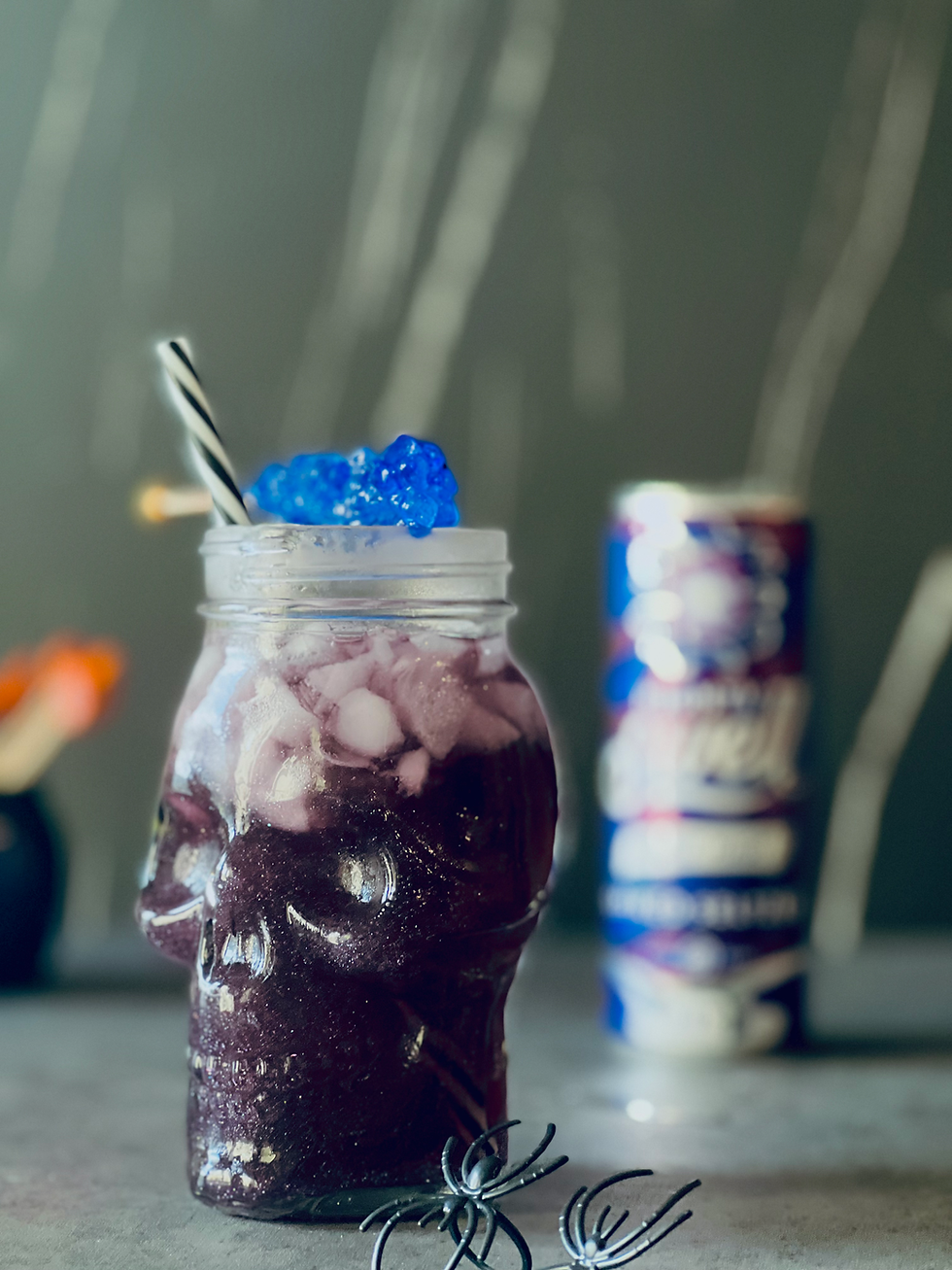

Orgeat is a sweet, creamy syrup crafted from almonds, sugar, and a hint of floral water—typically orange blossom or rose water. It has a cloudy appearance, is rich in flavor, and possesses a nutty essence, appearing in a variety of beverages ranging from traditional tiki cocktails to subtle non-alcoholic spritzes. As fitness expert I recommend you must try this once.